Yokohama Eurasia Culture Museum Hosts "The Wind of Dunhuang and the Silk Road Rises: The Footsteps of Ikuo Hirayama and Namio Egami" Commemorating the 40th Anniversary of the Mogao Caves' World Heritage Registration
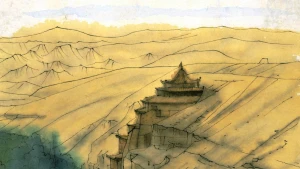
 Yokohama Eurasia Culture Museum will host an exhibition from January 16 to March 28, 2027, commemorating the 40th anniversary of the Mogao Caves' World Heritage registration, focusing on Ikuo Hirayama and Namio Egami.
Summary
The Yokohama Eurasia Culture Museum in Nihon-odori, Yokohama, will hold a special exhibition titled "The Wind of Dunhuang and the Silk Road Rises: The Footsteps of Ikuo Hirayama and Namio Egami" from January 16 to March 28, 2027, commemorating the 40th anniversary of the Mogao Caves' World Heritage registration. The Dunhuang Mogao Caves, located in Gansu Province, China, are a representative Silk Road site illustrating East-West cultural exchange and have been widely appreciated in Japan through novels, films, and documentaries. The exhibition introduces the rich Buddhist culture of Dunhuang through precious materials such as scriptures and Buddhist painting catalogs discovered at the Mogao Caves. A major highlight is the introduction of the exchanges and achievements of three figures who drove the Silk Road boom in Japan: Japanese painter Ikuo Hirayama, author Yasushi Inoue, and Oriental scholar Namio Egami, who built the core of the museum's collection. Hirayama is known not only for numerous masterpieces themed on Dunhuang and the Silk Road but also for his dedication to the preservation and restoration of the Mogao Caves. His proposed "Cultural Property Red Cross" concept has been inherited by the Foundation for Cultural Heritage and Art Research, which he founded, and continues to thrive today. The exhibition will bring together works such as Hirayama's "Dunhuang Mogao Caves" (1983) and various items conveying Silk Road culture.
(Source:美術手帖)