"Takehisa Yumeji: An Expressionist Who Created an Era" (The National Museum of Modern Art, Tokyo) Opening Report: Unraveling a Creative World Beyond "Modern Art" in the Largest Exhibition Ever
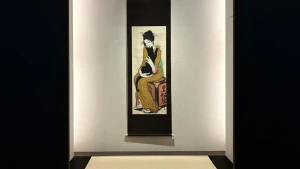
 The National Museum of Modern Art, Tokyo, opens the largest-ever Takehisa Yumeji retrospective, showcasing about 500 works that transcend "modern art."
Summary
The National Museum of Modern Art, Tokyo, in Takebashi is hosting "Takehisa Yumeji: An Expressionist Who Created an Era" until January 11, 2027, curated by the museum's curator Yukiko Yokoyama. Yumeji (1884–1934), a symbol of Taisho Romanticism, worked across painting, poetry, journalism, design, and illustration. He is known for his "Yumeji-style" women and retro-modern designs, but his activities extended to everyday goods, editing children's books and magazines, writing lyrics for the popular song "Yoimachigusa," and documenting the Great Kanto Earthquake. The museum owns no Yumeji works; because he operated outside the official and open-call exhibition systems, his work was preserved by enthusiastic citizens and private collectors. This large-scale retrospective gathers about 500 items—paintings in Japanese and Western styles, woodblock prints, sketches, design work, and related materials—from major collections nationwide, including the Takehisa Yumeji Ikaho Memorial Museum, Yumeji Art Museum, Kanazawa Yuwaku Yumeji-kan, Takehisa Yumeji Museum, and Chiyoda City (Ryuseikaku Takehisa Yumeji Collection). Rather than forcing him into the framework of "modern art," the exhibition uses extensive materials to unravel his creative world. It is organized into five chapters; Chapter 1, "The Beginnings of Yumeji Style," traces how his magazine illustrations, poetry-art books, and postcards won overwhelming support from young people in the late Meiji and early Taisho periods, displaying works such as "Woman Resting on Grass" and the bestseller "Yumeji Art Collection: Spring."
(Source:美術手帖)