Kishida Ryusei in Kyoto: Pursuing Pleasures While Passionate About Classical Art, the Path to "Portrait of Reiko"
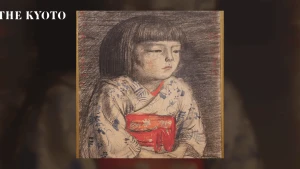
 During his Kyoto years after the Great Kanto Earthquake, Kishida Ryusei indulged in pleasures while passionately studying classical art, paving the way to his masterpiece "Portrait of Reiko."
Summary
Kishida Ryusei (1891–1929) lived in Kyoto from 1923 to 1926, after the Great Kanto Earthquake. The Sanno Museum, which relocated and reopened near Kyobashi Station in Osaka, is holding an exhibition of his collection. It features 17 works including "Portrait of Reiko" (1920), along with works and messages by his friends in the Shirakaba school. During his Kyoto years, Ryusei often indulged in drinking and teahouse entertainment, but he also passionately reevaluated Japanese and Eastern classical art, purchasing works. This interest was reflected in his production: though primarily an oil painter, he had begun Japanese-style painting before the earthquake, and after his Kyoto period he frequently used Eastern motifs. Works include "Kanzan and Jittoku" and "Seven Children of the Bamboo Grove," which depicts the Seven Sages of the Bamboo Grove as seven children, as well as works imitating the Momoyama-period painter Iwasa Matabei. The exhibition runs until January 31 next year.
(Source:京都新聞デジタル)