[Commentary] Why Is Turner Called a "Sublime Painter"? From the Discovery of the Alps to Contemporary Art (Text: Futoshi Hoshino)
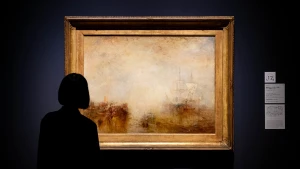
 Aesthetician Futoshi Hoshino explains why Turner is called a "sublime painter," tracing the concept from the Alps to contemporary art.
Summary
In connection with the "Tate Turner Exhibition" at the National Museum of Western Art, aesthetician Futoshi Hoshino traces the evolution of the concept of the "sublime." The word "sublime" is rarely used in everyday Japanese, but it appears in the preamble of the Japanese Constitution to describe ideals and purposes. The modern Western concept of the sublime originated in the 17th and 18th centuries, when British critics accompanying the Grand Tour found positive value in the majestic Alpine landscapes, describing them as "sublime" rather than merely "beautiful." Edmund Burke's "A Philosophical Enquiry into the Origin of Our Ideas of the Sublime and Beautiful" popularized the term, and it became an aesthetic category for describing the terrifying forces of nature. The primary reason Turner's works are called "sublime paintings" is that they depict awe-inspiring natural motifs such as the Alps, stormy seas, and avalanches. Many past discourses have identified in Turner the Romantic sublime exemplified by Caspar David Friedrich.
(Source:Tokyo Art Beat)