Exhibition "The Art of the Lotus Sutra: Creating Is Praying" at Suntory Museum of Art: Lotus Sutra Art Including National Treasures and Important Cultural Properties Assembled (Pia)
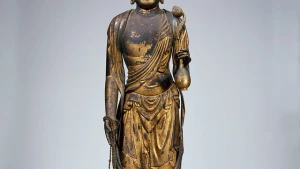
 An exhibition at Suntory Museum of Art from December 12, 2026, to February 7, 2027, showcases Lotus Sutra art united with faith.
Summary
The exhibition "The Art of the Lotus Sutra: Creating Is Praying" will be held at the Suntory Museum of Art from December 12, 2026, to February 7, 2027. It introduces the plastic arts that have been integrated with Lotus Sutra faith. The Lotus Sutra is a Buddhist scripture that teaches universal enlightenment and salvation from earthly suffering by the Buddha. It originated in India around the 3rd century BCE, spread through China and the Korean Peninsula, and reached Japan in the Asuka period. Notably, the sutra teaches that not only recitation but also "creating" acts such as copying the sutra, decorating, building temples, and making Buddhist statues are good deeds (zazen) necessary for salvation, leading to a history where faith and art are united. The exhibition is organized around three themes: "Building Stupas," "Copying Sutras and Dedicating Them," and "Making Statues," and surveys masterpieces and treasures of Lotus Sutra art from ancient to early modern times. It begins by introducing the structure and grand narrative world of the "Lotus Sutra of the Wonderful Dharma," which was later translated into Chinese and became widely known as the "Lotus Sutra." Next, it shows diverse forms of towers (stupas) valued as symbols of Buddhist law through paintings, crafts, and calligraphy. It also displays masterpieces of Lotus Sutra copying by people of all ranks who poured their wishes into goodness and beauty. Furthermore, it features Buddhist statues and paintings created from Lotus Sutra faith, such as the Eleven-Headed Kannon and Shakyamuni. The exhibition also touches on how the Lotus Sutra permeated early modern ukiyo-e artists; the Kano school and the Hon'ami family, as well as Katsushika Hokusai, were devotees, and the sutra likely influenced their creative spirit. These forms of art permeated Japanese daily life, offering an opportunity to reconsider the faith that coexisted with Japanese life. The exhibition includes changes of works during the period. Opening hours: 10:00–18:00 (Fridays and February 6–20:00), closed on Tuesdays and December 29–January 1. Admission: general 1,800 yen, university students 1,200 yen, high school students 1,000 yen.
(Source:Yahoo!ニュース)