Art Schools in Japan for Foreigners

Have you ever thought about packing your sketchbook and heading to Japan to study art? The country's blend of ancient traditions and modern innovation makes it a fantastic place for creative minds. If you're a foreigner interested in art schools in Japan, you might worry about language barriers or fitting in, but many institutions welcome international students with open arms. This guide dives deep into what you need to know, from top schools to application tips, all based on the latest info to help you make informed choices. Whether you're into painting, design, or something more experimental, Japan has options that could shape your artistic path in exciting ways.
Japan's art education scene stands out because it combines rigorous technical training with a cultural emphasis on craftsmanship and creativity. For foreigners, this means not just learning skills but also immersing yourself in a society where art is everywhere, from street fashion to temple carvings. Picture yourself in a studio, experimenting with techniques passed down through generations, while also exploring digital tools that push boundaries. The key is finding schools that cater to international applicants, and luckily, several do. We'll cover the standout ones, how to get in, and what life might look like once you're there. Let's get started on making that dream a reality.
Why Japan Appeals to Foreign Art Students
Unique Artistic Opportunities
Japan’s art schools attract foreigners with their blend of tradition and innovation. Where else can you study manga and classical ink painting side by side, or design products influenced by cutting-edge technology and minimalist aesthetics? The education system emphasizes hands-on practice in small classes, allowing mentors to guide you closely—an ideal setup for building strong foundations in fields like animation, sculpture, or graphic design.
Immersive Cultural Experience
Art in Japan is not just a subject—it’s woven into daily life. Everyday objects, such as tea bowls, reflect centuries of artistic philosophy, giving students a chance to add cultural depth to their work. The international community at these schools is growing, creating a vibrant mix of ideas and perspectives. For many, Japan offers a refreshing change from their home country’s art scene, inspiring new creativity.
Industry Connections and Professional Growth
Japanese art schools maintain strong ties with industries in anime, fashion, and technology, providing students with internship and collaboration opportunities. Imagine working on a project that reaches a Tokyo gallery or a global brand—these experiences help build portfolios that stand out. While adapting to a new culture can be challenging, the rewards, from personal growth to professional networks, make studying art in Japan a valuable choice for many foreigners.
Top Art Schools Accepting Foreigners
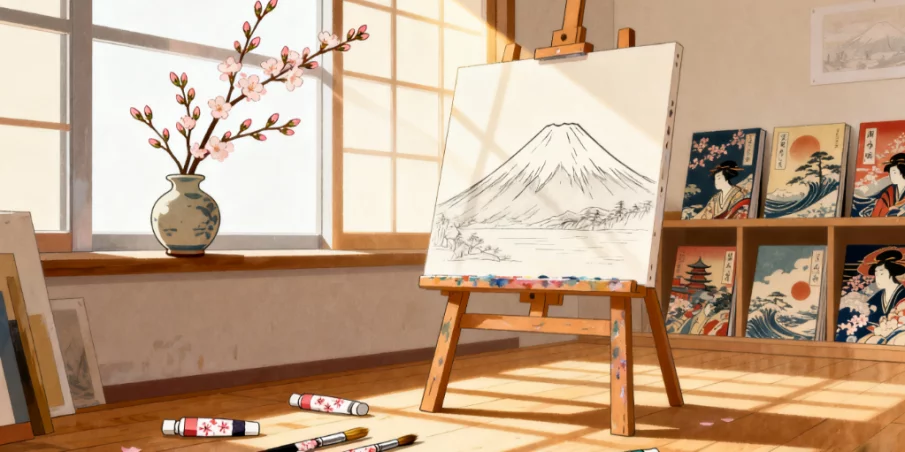
When searching for art schools in Japan for foreigners, a few names consistently rise to the top. These institutions offer quality programs and have systems in place to support international applicants. We'll look at each one, highlighting what they offer, how foreigners can apply, and what sets them apart. Keep in mind that while some have English options, most require solid Japanese skills, so planning ahead is key.
Tokyo University of the Arts

Overview
Tokyo University of the Arts, often called Geidai, is one of the most prestigious art schools in Japan for foreigners and locals alike. Located in the heart of Tokyo, it provides a dynamic environment surrounded by museums and galleries. The school focuses on fine arts, music, film, and global arts, with departments like painting, sculpture, and design.
Programs for Foreigners
What makes it special for foreigners is its Global Art Practice MFA program, which is taught in English and designed specifically for international students. This two-year course emphasizes contemporary art practices, encouraging you to explore global themes through projects and collaborations. The campus itself buzzes with creativity, with studios equipped for everything from traditional crafts to digital media.
Admission Process
For admission as a foreigner, you need to be non-Japanese and hold a bachelor's degree or equivalent from a recognized institution. The process involves submitting a portfolio, an essay, and documents proving your education. There's also an interview and technical exam to assess your skills. The screening fee is around 36,000 yen, and applications typically open in August for the following year.
Unique Features
Once in, you'll find support like orientation programs and activities tailored for international students. Geidai's reputation means graduates often go on to exhibit worldwide, so if you're serious about contemporary art, this could be your spot. As a foreigner, you might appreciate the mix of students, which fosters cross-cultural exchanges. Classes push you to think critically about art's role in society, using examples from Japan's rich history and current trends. If you've ever wondered how to blend your cultural background with Japanese techniques, Geidai offers the tools and guidance to do just that.
Musashino Art University

Overview
Musashino Art University, or MAU, stands out among art schools in Japan for foreigners thanks to its broad range of programs and emphasis on practical skills. Situated in Tokyo, it covers fields like visual communication design, sculpture, and industrial design. The university prides itself on fostering innovation, with courses that integrate art with technology and society.
Programs for Foreigners
For international students, classes are mostly in Japanese, so fluency is a must, but the school accepts foreigners who meet the language criteria. MAU doesn't offer short-term programs for foreigners but does accept research students via the MEXT scholarship. What draws foreigners to MAU is its balance of tradition and modernity. You could be learning oil painting one day and digital animation the next, all while surrounded by Tokyo's energetic vibe.
Admission Process
Admission requires understanding the Japanese application guide, as everything from seminars to exams is in Japanese. You'll need to submit academic records, a portfolio, and possibly take entrance exams. Financial planning is crucial, as scholarships aren't guaranteed for all.
Unique Features
Once enrolled, you'll benefit from collaborations with industries, giving you real-world experience. Think of designing products that could hit the market or creating visuals for ad campaigns; that's the kind of hands-on learning here. The university encourages personal expression, helping you develop a unique style. If you're a foreigner looking to immerse fully in Japanese art education, MAU provides a supportive yet challenging setting to grow.
Tama Art University

Overview
Tama Art University is another excellent choice for foreigners exploring art schools in Japan. Based in Tokyo, it specializes in art and design, with departments covering graphic design, product design, and fine arts. The school is known for its creative freedom, allowing students to experiment widely.
Programs for Foreigners
For international applicants, the guidelines are in Japanese, so brushing up on the language or getting help is essential. The university offers scholarships for excellence, which foreigners can apply for based on achievements. Tama's campus features state-of-the-art facilities, from printmaking studios to digital labs.
Admission Process
The application process involves downloading the latest guidelines and submitting documents like transcripts and a portfolio. Entrance exams test your artistic abilities, and acceptance leads to a program where you can pursue your passions deeply.
Unique Features
As a foreigner, you might find the emphasis on individual will inspiring, as the school values diverse perspectives. Students here often participate in off-campus activities, like exhibitions or community projects, building networks early. Imagine collaborating on a design that reflects your home culture while incorporating Japanese elements; Tama encourages such fusions. With its focus on both theory and practice, it's a place where foreigners can thrive if they're ready to dive into the language and culture.
Kyoto Seika University
Overview
Shifting to Kyoto, Seika University is a gem for foreigners interested in art schools in Japan. It boasts faculties in fine arts, design, manga, and more, with a diverse student body where about 30 percent are international.
Programs for Foreigners
Programs include oil painting, graphic design, and animation, blending traditional and contemporary approaches. Classes are in Japanese, requiring JLPT N2 or higher, but first-year internationals take mandatory Japanese courses to ease in. For a foreigner, this means daily immersion in beauty that fuels your art.
Admission Process
Admission for foreigners demands the right residence status and language proficiency at application time. The process includes entrance exams in Japanese, so preparation is key.
Unique Features
Once accepted, you'll enjoy modern facilities and extracurriculars like dance or manga clubs. Kyoto's historic setting adds inspiration, with temples and gardens just outside. Seika's strength lies in its media creation and global studies options, perfect if you want to explore art's societal impact. Picture creating a comic that draws from your background and Japanese storytelling; the school supports such creativity. With its welcoming atmosphere, it's ideal for foreigners seeking a balanced, engaging education.
Kyoto University of the Arts

Overview
Kyoto University of the Arts offers robust programs for foreigners in art schools in Japan. It covers fine arts, character design, film production, and more across 10 departments.
Programs for Foreigners
The graduate school has master's and doctoral courses, with the Art and Curatorial Practices program welcoming English-speakers alongside Japanese ones. Japanese proficiency is essential for most, but this field allows more flexibility. As a foreigner, you'll appreciate exchange programs with partners worldwide.
Admission Process
Applications for master's open in August and November, with online submissions and oral exams. Doctorates follow in November. Proficiency in reading, writing, and conversation is required, as lectures are mainly in Japanese. The university hosts info sessions for applicants.
Unique Features
The curriculum emphasizes practical research, helping you develop projects with real impact. In Kyoto's cultural hub, inspiration abounds, from traditional crafts to modern installations. If you're a foreigner aiming for advanced studies, this school provides the depth and support needed.
Kyoto City University of Arts

Overview
Kyoto City University of Arts is renowned for its focus on fine arts, design, and crafts, making it a top pick for foreigners in art schools in Japan. Departments include Japanese painting, sculpture, ceramics, and composite art.
Programs for Foreigners
International students can join via exchange programs, non-degree research, or full admission. Graduate programs require JLPT N2 or N1 for non-natives. No English programs are mentioned, so Japanese is key. Once in, you'll use well-equipped studios for hands-on work.
Admission Process
The application involves Japanese exams, like technical skills tests. Exchange options exist for partner school students, with guidelines available.
Unique Features
This school's craft emphasis sets it apart, teaching techniques like lacquerware alongside modern design. For a foreigner, it's a chance to master skills rare elsewhere, in a city steeped in art history. The supportive environment helps internationals adjust and excel.
Temple University Japan Campus

Overview
For foreigners seeking English-taught options in art schools in Japan, Temple University Japan Campus provides a unique alternative. Its art major focuses on visual practice in a liberal arts context, covering drawing, digital imaging, and art history.
Programs for Foreigners
Courses are in English, making it accessible without advanced Japanese. This program suits foreigners easing into Japan, blending Western education with local influences.
Admission Process
Admission follows U.S. standards, with requirements like high school transcripts, TOEFL scores for non-natives, and essays. The rolling process allows flexibility.
Unique Features
Once enrolled, you'll create portfolios and exhibitions, preparing for global careers. Located in Tokyo, it offers Japan's vibe with English comfort. Imagine studying motion graphics while exploring Tokyo's streets; it's a practical, engaging way to start.
Navigating the Application Process
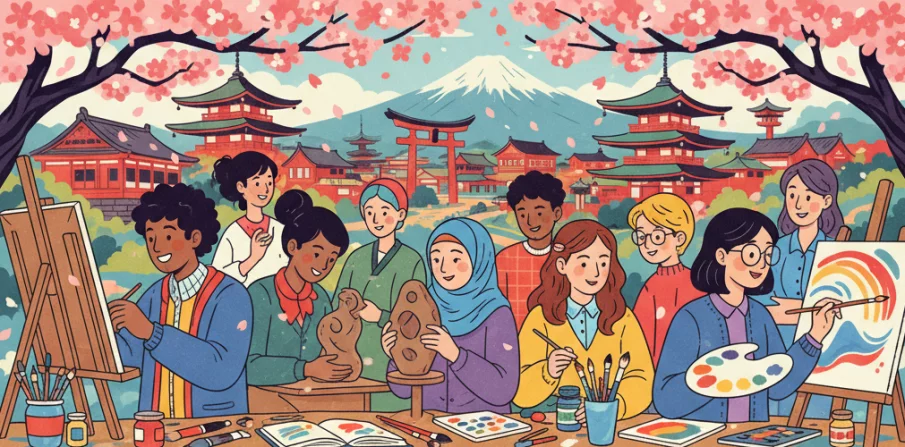
Applying to art schools in Japan for foreigners involves several steps, but breaking it down makes it manageable. First, research schools and check eligibility, often requiring 12 years of prior education or equivalent. For undergrad, take the EJU and submit portfolios. Graduates need degrees, essays, and interviews.
Language tests like JLPT are common, so study early. Applications usually open months ahead, with fees and deadlines strict. Gather documents like passports and recommendations. Once accepted, apply for a Certificate of Eligibility for your visa.
Preparation pays off, turning the process into a smooth path to your studies.
Language and Cultural Considerations
Language is a big factor in art schools in Japan for foreigners. Most programs demand JLPT N2, as classes and critiques are in Japanese. If English options are limited, consider language schools first. Culturally, expect group harmony and respect for mentors, which enriches your experience.
Adapting takes time, but resources like language support help. Engaging with locals builds confidence and ideas for your art.
Scholarships and Financial Aid Options
Funding your studies in art schools in Japan for foreigners is possible through various scholarships. The MEXT government scholarship covers tuition, living expenses, and airfare for undergrad, grad, or research. Apply via embassies, needing strong academics and language skills.
Universities offer their own, like Tama's excellence awards or Geidai's foundations. Private groups provide art-specific aid. Research early, as competition is high, but these make studying affordable.
Visa Requirements and Student Life
Securing a visa for art schools in Japan for foreigners starts with school acceptance and COE. Then, apply at your embassy for a student visa, valid for your program duration.
Student life mixes studies with exploration. Campuses offer clubs and events, while cities provide galleries and festivals. Budget for living costs, around 100,000 yen monthly. Support services help with housing and health, easing adjustment.
Living here, you'll grow artistically and personally, forming lasting connections.
Conclusion
Wrapping up, art schools in Japan for foreigners offer incredible opportunities to hone your craft in a inspiring setting. From Tokyo's buzz to Kyoto's heritage, each school brings something unique, whether English-taught or immersive Japanese programs. With the right preparation, from language skills to applications, you can make it happen.
Remember, the journey is as much about personal discovery as artistic growth. If Japan's art world calls to you, follow Art news from Japan, take that step; the experiences waiting could transform your creative life forever.