Looking at the Layered History of the City and People's Lives Through Art: What Does the First "Sumida Goshiki Arts Festival" Aim For?
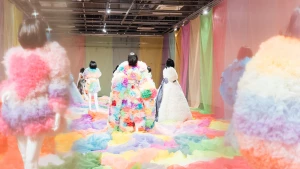
 The first "Sumida Goshiki Arts Festival" opens in Sumida Ward, exploring the area's history and people's lives through art.
Summary
The first comprehensive arts festival in Sumida Ward, Tokyo, "Sumida Goshiki Arts Festival," opened on September 4, 2020, and runs until December 20. Sumida Ward is home to cultural facilities such as the Sumida Hokusai Museum and Sumida Triphony Hall, and has developed unique community-based art projects like the "Asahi Art Festival" and "Sumida River: All Things in Ink and Dreams." As the first ward-organized comprehensive arts festival in Tokyo's 23 wards, it aims to multiply the power of art with the area's charm and rediscover the appeal of places and people, as well as the joy of living in Sumida, through art. Executive Director Shingo Kanno stated, "We aim for works that have meaning specifically in Sumida, and for a festival where visitors can feel the works and delve into the history and present of the land behind them." Directors Akira Aoki, Yasuko Ogiwara, Ryoichi Kiyomiya, and Daisuke Mita also participated, planning programs that leverage their respective backgrounds and expertise. The name "Sumida Goshiki" derives from the "sumi" (ink) of Sumida and the saying "sumi ni goshiki ari" (there are five colors in ink), which refers to expressing a colorful world by combining ink, brushwork, and blank space in ink painting. The concept is "hakkiyoi," which also inspired the sumo call "hakkiyoi," and during the festival, over 140 programs will be held at more than 50 locations in the ward. At venues unique to the area, such as the Sumida River and Japanese houses, diverse projects in art, theater, dance, music, science, food, care, and walking tours will be developed. Kanno walked the town and interacted with people while planning the festival, and was strongly struck by how, despite being part of the metropolis of Tokyo, the land's history, current life, and human connections remain vivid, and he was amazed that local people continue to have a strong interest in their history and community. "Therefore, we emphasized a perspective that connects past, present, and future: the land's history, its current state, and how it wants to be in the future. When selecting artists, we prioritized those who can pose new questions from a contemporary perspective, rather than simply introducing or reproducing the local history." One of the venues is Tarohachi (formerly the Suzuki family home), a Japanese house that survived the air raids. Here, the highlights of the festival's first edition, which leverages Sumida Ward's local characteristics, are introduced mainly through the content of a press tour held on September 3. Exhibitions and events extend from Higashi-Mukojima and Kanegafuchi in the north to Ryogoku Station, Kinshicho Station, and Hirai Station in the south, and it is recommended to use buses and trains to get around.
(Source:Tokyo Art Beat)