Why are some art exhibitions in Japan abnormally crowded? Revealing the reality of 'ticket dependence' and the end of 'museums as academic institutions'
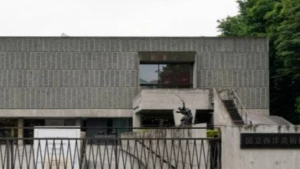
 The excessive crowding in Japanese art exhibitions stems from a unique structure where exhibitions operate as 'event industries' in collaboration with mass media.
Summary
While permanent collections and modern art exhibitions in Japan are often empty, exhibitions featuring works like Monet, Vermeer, and Van Gogh are consistently crowded. The National Museum of Western Art's 'Monet: The Time of the Water Lilies' exhibition saw lines of over an hour and attracted over 807,000 visitors in 108 days. The root cause of this overcrowding lies in Japan's unique structure where exhibitions are organized as 'event industries' in collaboration with mass media like newspapers and TV stations. For instance, the Monet exhibition was co-hosted by Nippon Television, Yomiuri Shimbun, and BS Nippon Television. These media co-hosted exhibitions utilize their promotional power through advertisements, articles, and TV specials to attract visitors, often incorporating social media and songs by popular musicians. Because these are single-run events, maximizing attendance is essential to ensure profitability. This dynamic allows museums to host large-scale exhibitions without bearing the costs, creating a mutually beneficial arrangement. However, the author questions why such aggressive crowd gathering is necessary, noting that this level of extreme crowding is rarely seen in overseas museums. The author suggests that this difference is closely tied to the financial structure of museums, specifically how they are funded, contrasting with the museum-centric model common abroad.
(Source:現代ビジネス)