Riku Yamakawa | Carl Hoffman 'Cannibal: The Rockefeller Disappearance'
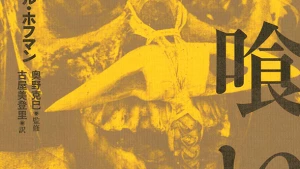
 This book explores the 1961 disappearance of Michael Rockefeller, detailing anthropologist Carl Hoffman's investigation into the 'how' and 'why' of his death in New Guinea.
Summary
This book is a non-fiction account of the 1961 disappearance of Michael Rockefeller, the fourth son of the Rockefeller family, who vanished while collecting primitive art in the Asmat region of New Guinea. The narrative centers on the investigation of anthropologist Carl Hoffman, who seeks to understand the 'how' and 'why' of Rockefeller's fate. While the 'how'—Rockefeller's death by cannibalism—was already known through historical records and Dutch missionary reports, Hoffman's primary focus is on the 'why.' He travels to Asmat to understand the local worldview and the cultural context that led to the tragedy. Hoffman critiques Rockefeller's lack of understanding regarding the spiritual significance of the artifacts he collected and the broader history of Western exploitation in the region. The book details Hoffman's struggles to communicate with the Asmat people, including their silence and the presentation of false evidence, as he attempts to bridge the gap between Western and indigenous perspectives. Ultimately, the book reflects on the limitations of understanding other cultures and the ethical responsibilities of the observer.
(Source:artscape)