Harachikei | Kyoko Michishita Feature (e-flux Film)
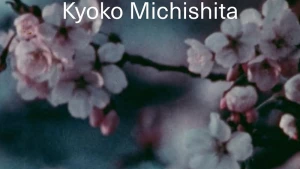
 A feature on early video works by Kyoko Michishita is presented on e-flux Film, re-evaluating her critique of patriarchy and gender roles.
Summary
The online platform e-flux Film is showcasing a feature on the early video works of Kyoko Michishita (born 1942). Michishita, who studied feminism and arts in the US and was a key figure in introducing second-wave feminism to Japan, is also known for her translations of figures like Gloria Steinem and her work at the Tokyo American Center. Her contributions as a video artist, long obscured due to difficulties in accessing her work, are now being re-evaluated through recent restoration and archival efforts. Her feminist video practices in the 1970s and 80s can be seen as ambitious attempts to call for solidarity within the women's liberation movement from the margins of patriarchy.
Michishita's first video work, 'Being Women in Japan Series: Liberation Within My Family' (1974), triggered by her sister's aneurysm, dissects oppressive gender roles within the family system through interviews and intimate glimpses of private life. Her multi-faceted position as cinematographer, interviewer, and family member is notable. This documentary, while sensational in content, intentionally deviates from objective recording to depict the politics of personal daily life, offering a feminist perspective that connects the private sphere to social issues. In contrast, her 'Video Portraits – Men' series attempted to typify masculinity through dialogues with socially recognized male cultural figures. The featured video, 'Video Portraits – Men: Shuntarō Tanikawa' (1982), critically examines the privileged social foundations underlying beautiful theses of love and life, while disrupting the subject-object relationship of 'filming/being filmed' in video media.
'Cherry Blossoms' (1975), made on 16mm film, marks a significant departure from personal narratives and documentary approaches. While inspired by Ango Sakaguchi's novel 'Under the Blazing Cherry Blossoms,' it meticulously excludes the original story and relationships, dominated instead by repetitive, dreamlike footage of cherry blossoms. The addition of electronic music and percussion by Toshi Ichiyanagi transforms the visuals into an enchanting, polyphonic montage.
A common thread in her works is the dismantling of social structures built by male enlightenment, patriarchy, and majority historical narratives concerning 'the state of women.' Her pioneering use of portable video as a tool to counter mass media, as a member of the video collective 'Video Hirosba' in the early 1970s, is significant. For Michishita, the camera was a personal and political instrument to reject privileged, stereotypical images of women, document gender asymmetries in daily life, and reorganize society. These practices, overlapping with those of her contemporaries like Shiroku Kubota and Mako Idemitsu, represent a crucial solidarity within the women's liberation movement, pursuing liberation from gender stereotypes and the construction of social dignity.
(Source:artscape)